
Waste Reduction Policy
The Richmond Office of Sustainability is working to implement the actions outlined in Waste Reduction & Recovery Pathway of the RVAgreen 2050 plan. These waste reduction actions are aimed at reducing Richmond’s landfill waste by eliminating some of the most preventable waste at the source including disposable plastic bags, styrofoam containers, and party balloons.
Our overarching goal is ambitious but necessary: to reduce Richmond's overall landfill waste by 25% by 2030, while advancing environmental justice and creating economic benefits for all residents.
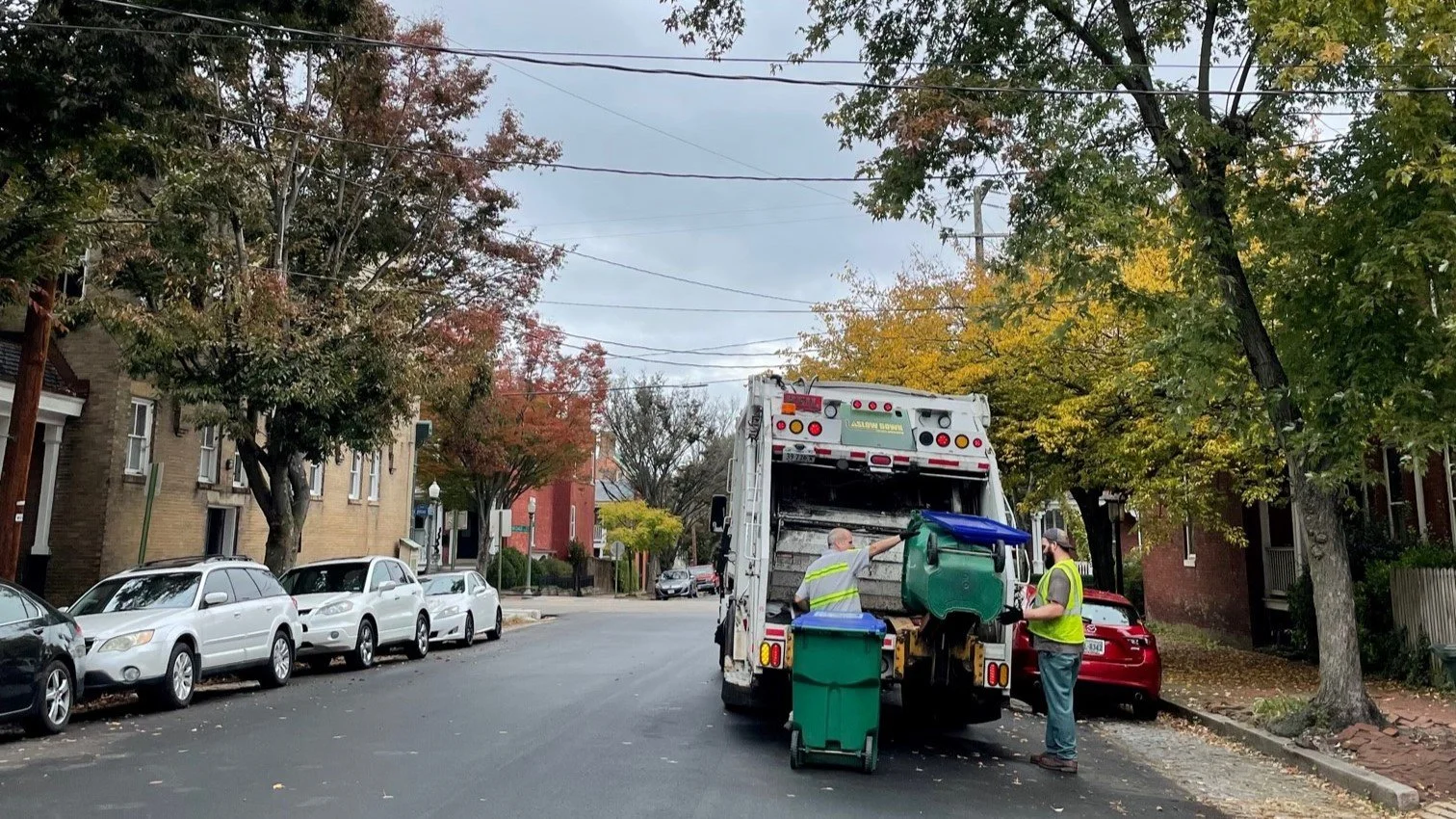
Richmond Expands Focus on Recycling, Composting, and Waste Reduction
The City of Richmond is excited to announce the launch of a new Solid Waste Reduction Campaign, focused on expanding access to waste reduction programs such as recycling and composting, creating new education programs, and reviewing holistic approaches to reducing consumption and waste. This is an important next step in our implementation of RVAgreen 2050 and represents our commitment to the community priorities created in that plan. We encourage the community to stay connected with groups such as the Public Utilities Services Commission and the Clean City Commission, as well as this website and the Office of Sustainability's monthly newsletter for ongoing news and ways to engage!
Recent and upcoming efforts include:
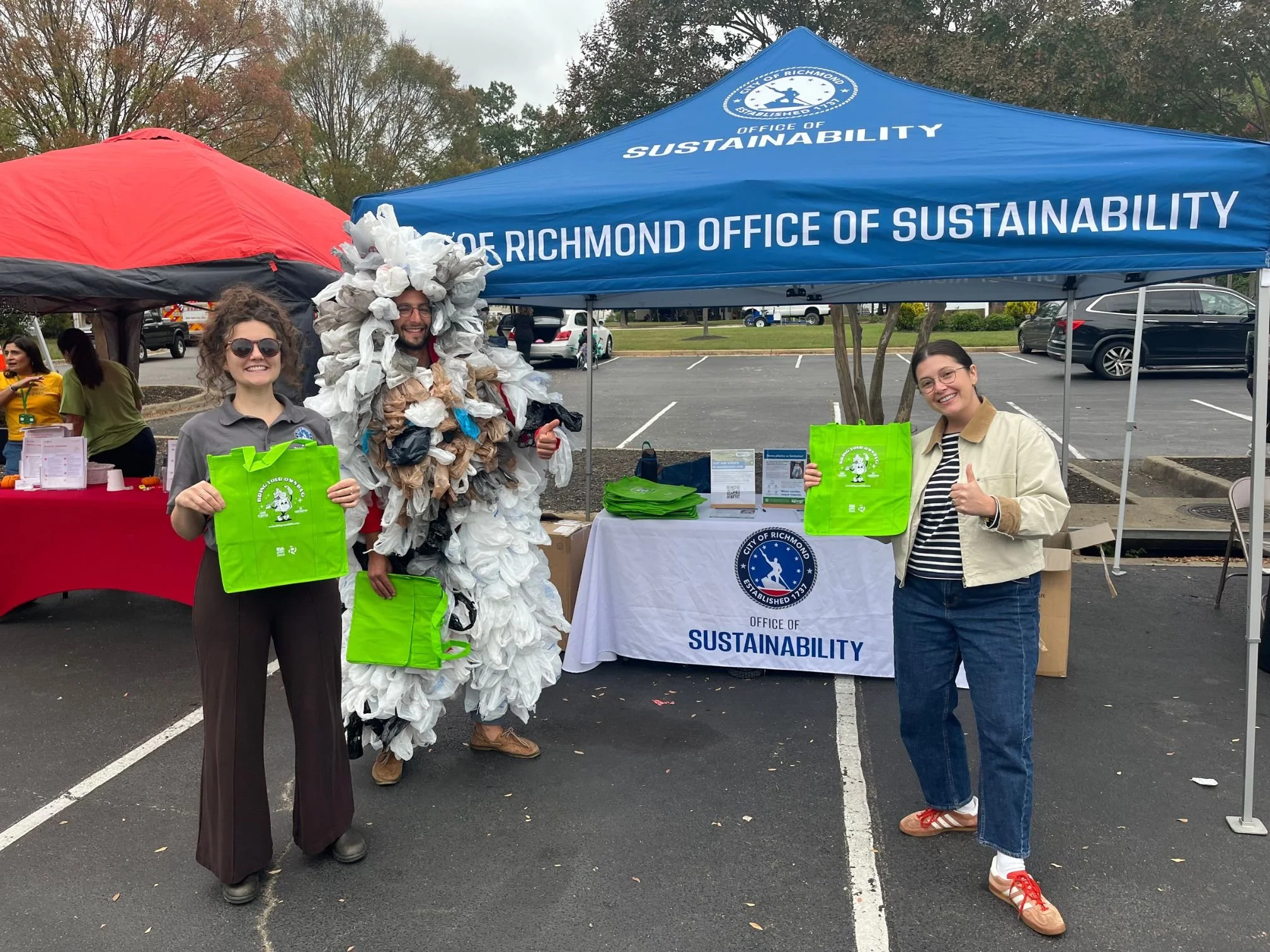
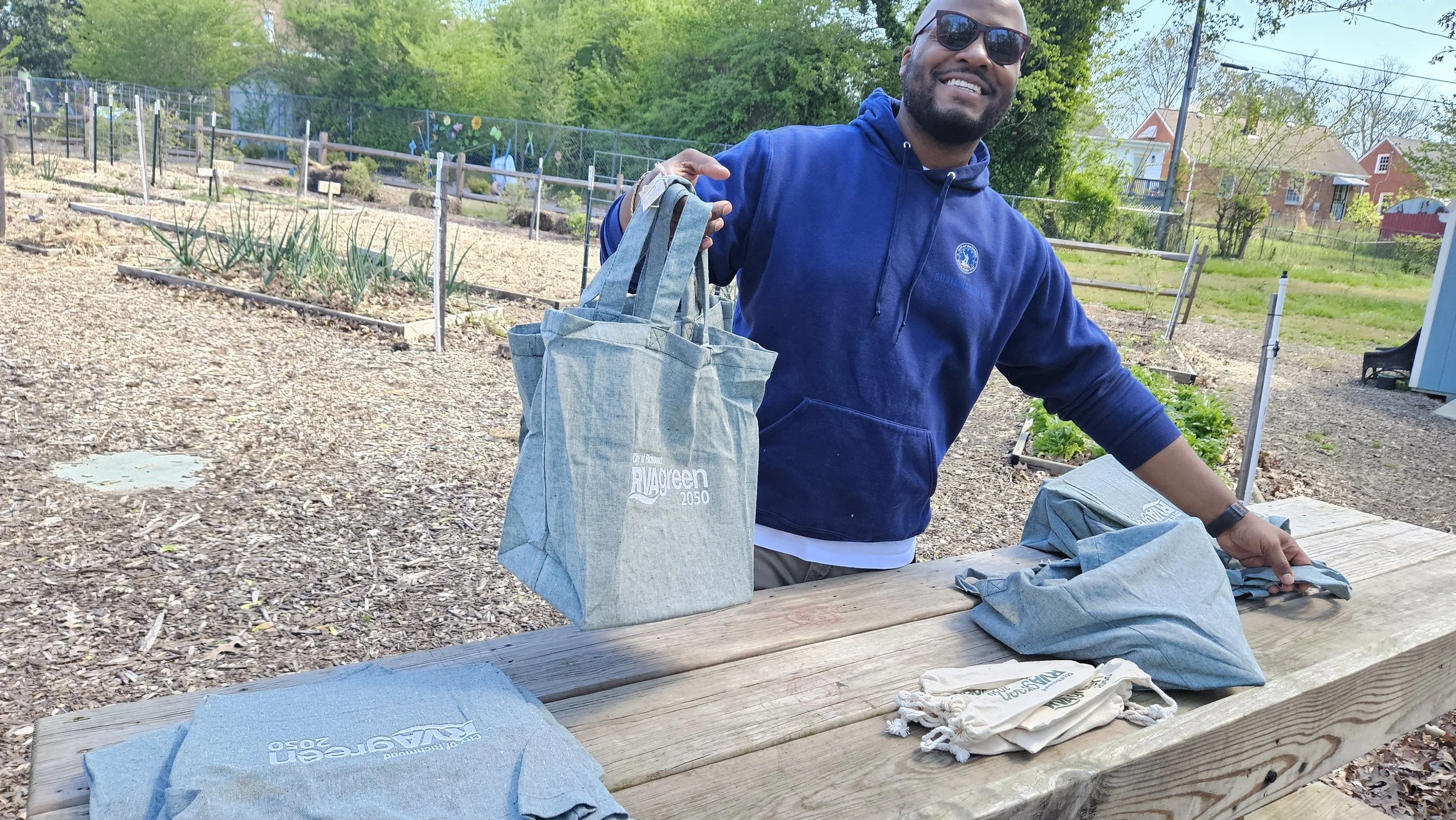
Passage of the city-wide Disposable Plastic Bag Tax (January 2026) & distribution of free reusable bags (ongoing)
Virginia's Polystyrene Ban for Food Vendors (July 1, 2026)
Virginia’s Balloon Release Ban (2021)
Expanded Composting Drop-Off Program (2025)
Launch new smart technology pilot program (2026)
Establishment of the Public Utilities Services Commission (2024) & establishment of the Solid Waste Subcommittee (COMING SOON - May 2026)
Expanded litter education and cleanups (Fall 2026)
Many of these efforts, including additional focus on rate structure and regional collaboration, will be organized through the Public Utilities Services Commission, which will be establishing the Solid Waste Subcommittee in May. Please join us for us as we begin these more robust and dedicated conversations regarding waste reduction, recycling, composting and more across the City of Richmond!
Disposable Plastic Bag Tax
Plastic bag fees play a crucial role in mitigating the environmental impact of single-use plastics by reducing dependence while funding environmental education and waste reduction efforts. Currently, ten Virginia localities have adopted disposable plastic bag taxes in line with Commonwealth legislation passed in 2020. Based on peer-city analysis, the average annual tax burden on residents would be approximately $2.12 per person and generate approximately $400,000 in revenue.
The 5¢ Disposable Plastic Bag Tax took effect on January 1st, 2026.
Foam Free Richmond
In 2021, the Virginia General Assembly passed a law banning expanded polystyrene (EPS) food containers. These single-use foam containers, also known as “Styrofoam,” are being phased out because they are harmful to our health, our communities, and our environment.
The foam ban applies to all food vendors in Virginia including restaurants, cafeterias, food trucks, caterers, hot bars, and schools. Now is the time for Richmond businesses to get informed, explore alternatives, and begin the shift to Foam Free.

Released balloons often travel long distances, eventually landing in forests, rivers, and other natural habitats where they harm animals and ecosystems. Communities can reduce preventable plastic pollution and safeguard vulnerable ecosystems by banning balloon releases. A balloon release ban has been in effect statewide since 2021.
Our office will:
Conduct targeted outreach to balloon vendors
Provide educational signage for display at point-of-sale locations
Help inform consumers about the prohibition of balloon releases
Balloon Release Ban

Implementation Timeline
Statewide Balloon Ban is already in effect since 2021
Enforcement
Managed by State: Civil penalty for $25 per balloon, to be paid into the Game Protection Fund.
Resources
VA Code § 29.1-556.1. Release of certain balloons prohibited.
Retailers selling balloons will be provided education signage to be displayed regarding the prohibition on balloon releases at the point of sale.