Energy Policy
Our goal is to ensure a reliable, affordable, and sustainable energy supply, often balancing economic growth with environmental protection. It often includes various aspects including legislation and other local policy tools
Learn more about our Clean Energy initiatives:
Commercial Property Assessed Clean Energy Program (C-PACE)
C-PACE is a clean energy financing tool that provided 100% upfront capital to property owners who want to upgrade their buildings with energy efficiency, renewable energy, and water management systems. The City of Richmond’s ordinance to join the statewide program passed in September 2023, making it the 9th local government in the State of Virginia to officially launch the Virginia C-PACE program.
Commercial and large multi-family property owners can use C-PACE to finance energy efficiency, renewable energy, flood proofing, and other projects on their property are eligible for a fixed-rate loan that is placed as a lien on their property tax assessment. This means that projects like installing a new solar photovoltaic roof array or floodproofing a parking lot could be a reality for little or no upfront cost to owners. Among other advantages, C-PACE financing runs with the actual property and does not become due when sold, allowing for long-term financing at 100% fixed rates.
Many commercial property owners are already working on applying to the program which is administered by the Virginia PACE Authority with support from the City’s Office of Sustainability and others.
Who is Eligible?
Office, retail, warehouse, data centers, private educational facilities, hotels and motels, multifamily residential (five or more units), and other property types of eligible to participate. In addition, facilities that can receive assessments on their properties such as non-profit, educational, and religious institutions are eligible.
What Kinds of Projects are Eligible?
ENERGY EFFICIENCY: Lighting upgrades, HVAC equipment, Building controls, Building envelope, Elevator/escalator upgrades, Hot water heaters, Energy recovery systems, Pool pumps.
WATER CONSERVATION: Water conserving fixtures, Gray water systems, Cooling tower water recovery, Water meters, Process water use reduction, Irrigation control system, Rain harvesting system, Efficient hot water boilers.
RENEWABLE ENERGY: Solar Thermal hot water system, Photovoltaic (PV) systems, Battery storage with PV, Biomass technologies, Cogeneration (CHP), Fuel Cells, Wind turbines, E.V. charging stations
How Do I Learn More and Apply?
Visit the Virginia C-PACE Authority website to learn more about applying for the program and eligible projects or visit their Fact Sheet page.
Additional Resources:
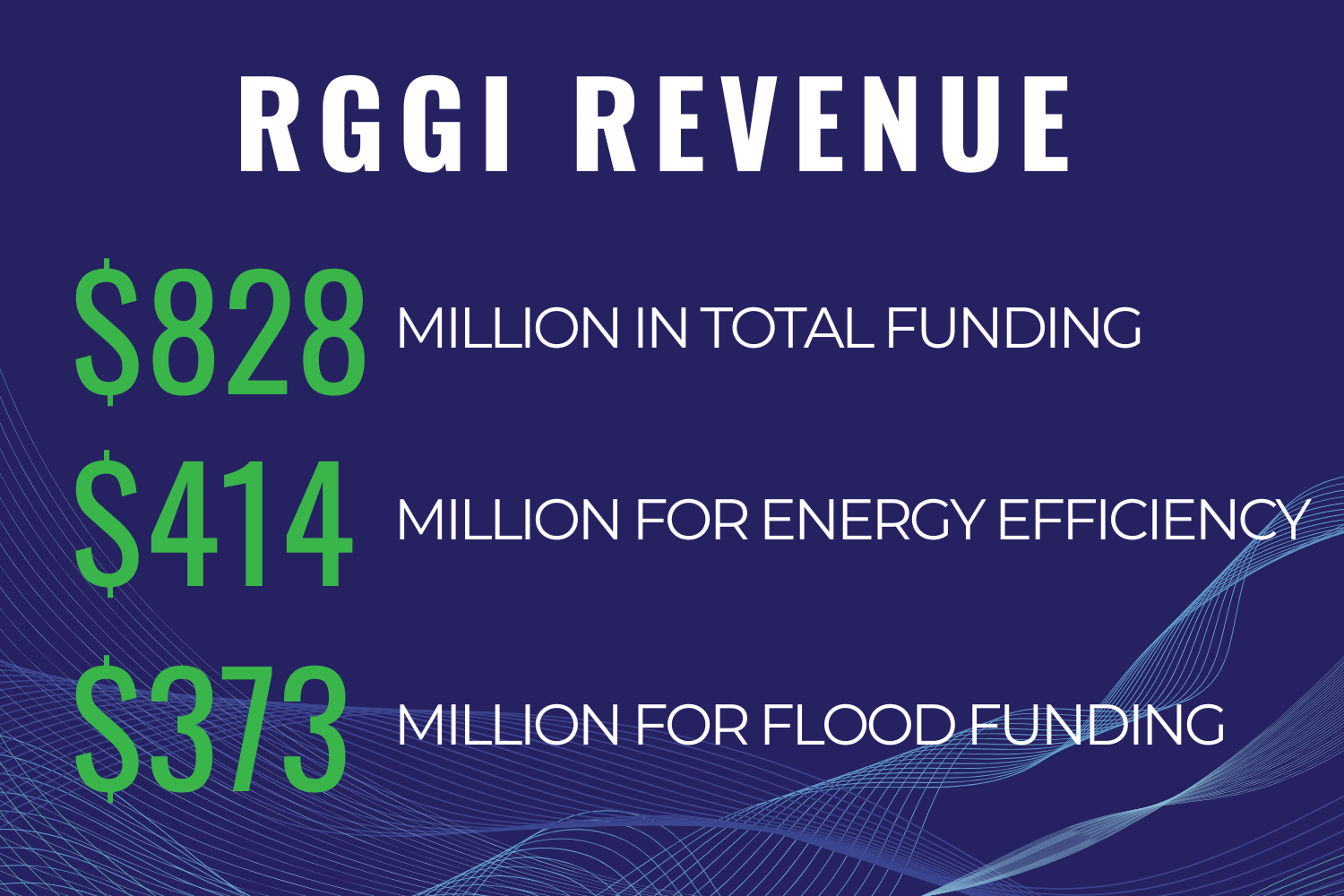
As of July 1, 2026, Virginia has officially rejoined the Regional Greenhouse Gas Initiative (RGGI), restoring a critical tool for cutting regional power sector carbon emissions. The Commonwealth's return ends a multi-year debate over participation in the cap-and-trade market and secures revenue for local sustainability goals, directing 55% of auction proceeds toward community flood resilience and low-income energy efficiency initiatives. To keep the clean energy transition equitable, the updated framework will also route 45% of the revenue back to Virginians as monthly bill rebates to help cushion utility compliance costs.
Regional Greenhouse Gas Initiative (RGGI)
By participating in the RGGI market, large electricity producers like Dominion Energy must purchase allowances for every ton of carbon they emit, establishing a reliable funding stream dedicated entirely to community protection and efficiency. For Richmonders, this means expanded resources to weatherize homes, lower monthly energy bills for historically underserved neighborhoods, and finance vital infrastructure to combat urban flooding.
Ultimately, this framework ensures that as the state moves toward a net-zero grid, the financial benefits are reinvested where they are needed most, and infrastructure is bolstered against severe weather while keeping energy costs manageable for frontline communities most vulnerable to climate change.
Energy Conservation Administrative Regulation
The purpose of the Energy Management Policy for Municipal Operations is to reduce the consumption of energy in the City of Richmond and increase renewable energy sources, thereby reducing operating costs, improving energy resilience, mitigating climate impacts, reducing the city’s vulnerability to climate change, and fostering a city culture that values environmental, social and economic sustainability as supported by the city’s Office of Sustainability (OOS).
The City of Richmond is dedicated to reducing energy consumption, energy costs, and greenhouse gases. Gains in efficiency and investment in renewable energy can yield significant financial and environmental benefits, and strategic management of these resources enables the cost-effective delivery of city services to the public. Per RVAgreen, the city is committed to achieving a 45% reduction in GHG emissions by 2030, below 2008 levels, and net-zero energy (i.e., total GHG emissions) by 2050. The Administrative Regulation Energy Conservation policy aligns with the goals of RVAgreen.
Additional Resources:
