Statewide Styrofoam Ban takes effect on July 1st, 2026
Virginia’s Going Foam Free!
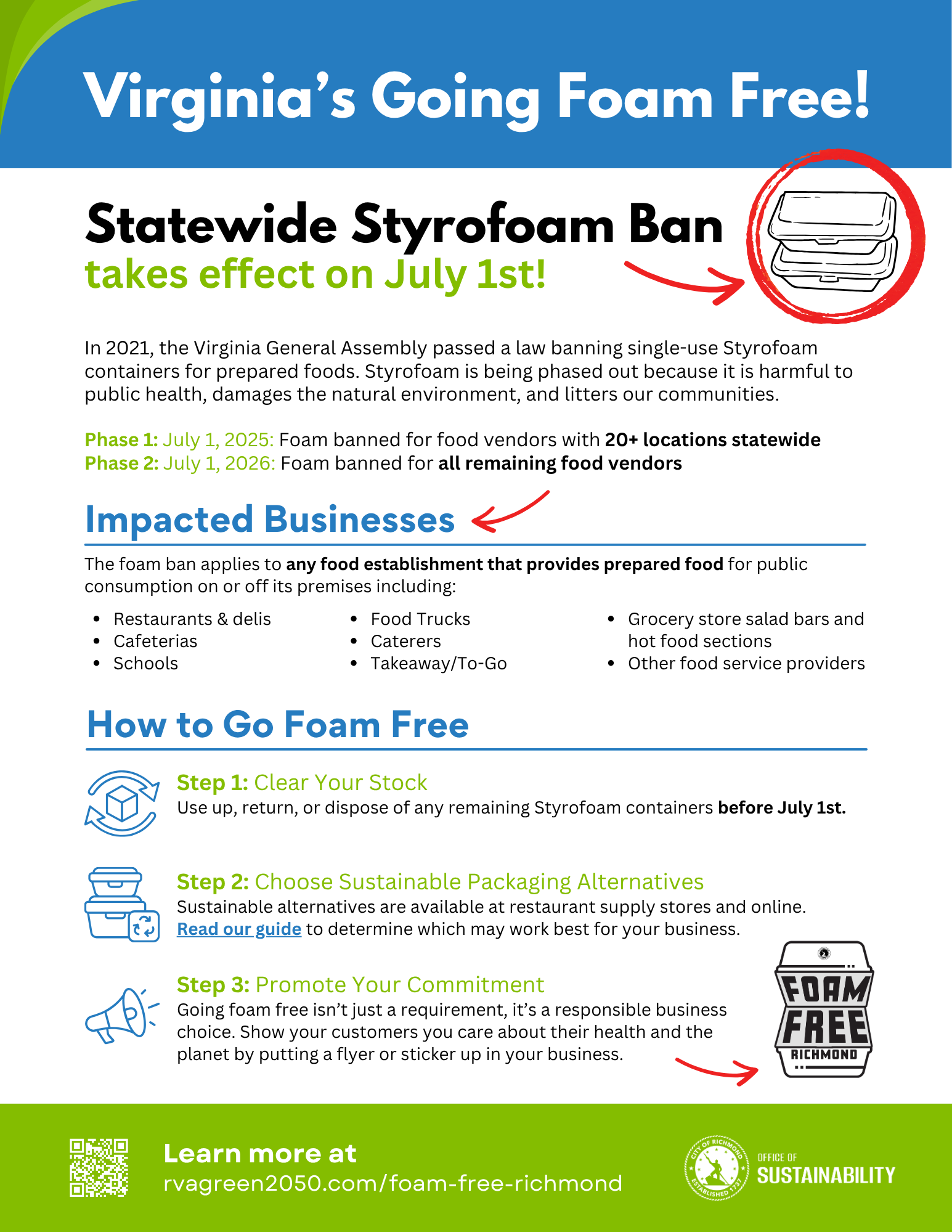
In 2021, the Virginia General Assembly passed a law banning expanded polystyrene (EPS) food containers. These single-use foam containers, also known as “Styrofoam,” are being phased out because they are harmful to our health, our communities, and our environment.
The foam ban applies to any food vendor, which is defined as any establishment that provides prepared food for public consumption on or off its premises and includes restaurants, delis, cafeterias, food trucks, caterers, takeaway/to-go establishments, grocery store salad bars and hot food sections, schools, and any individual, organization, group, or state or local government entity that regularly provides food as a part of its services.

Implementation Timeline
Phase 1: July 1st, 2025
Food vendors with 20 or more establishments statewide must eliminate foam containers.
Phase 2: July 1st, 2026
All food vendors must eliminate foam containers.
How to Go Foam Free
With Phase 2 going into effect on July 1st, 2026, now is the time for Richmond businesses to get informed, explore alternatives, and begin the shift to Foam Free.

Step 1: Clear Your Stock
Use up, return, or dispose of any remaining Styrofoam containers before July 1st, 2026.
Step 2: Choose Sustainable Packaging Alternatives
Sustainable packaging alternatives are available at restaurant supply stores and online. Read our guide to determine which may work best for your business or request a free sample kit.
Step 3: Promote Your Commitment
Going foam free isn’t just a requirement, it’s a responsible business choice. Show your customers you care about their health, your community, and the planet by putting a flyer or sticker up in your business.
Request an Exemption
Food establishments within the City of Richmond may apply for a one-year exemption from this law if, 1) there is "no reasonable alternative," and 2) compliance with the law will cause the vendor "significant economic hardship."
To request an exemption from the foam ban, please complete the form below 👇 and submit any supporting documentation with your request by email to rvagreen@rva.gov. Please note your business name in the subject line.
Report a Violation
Residents who wish to report a business in violation of the foam ban may complete the form below 👇 and submit any supporting documentation to rvagreen@rva.gov.
Please note that certain food establishments may not be in violation if they have been granted an exemption. Also, the violation reporting form may be completed anonymously; however, contact information must be provided if you would like a follow-up to the report.
Sustainable Packaging Alternatives
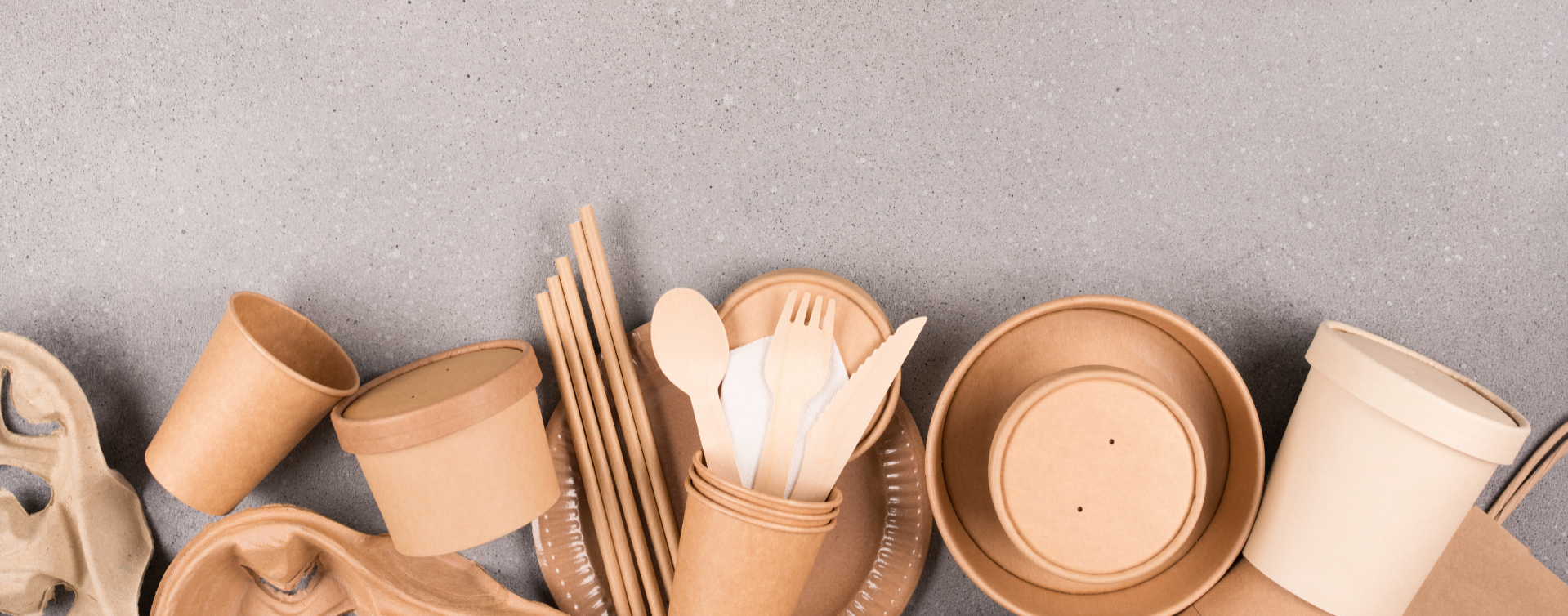
Sustainable container alternatives such as aluminum, paperboard, and plant-based containers are readily available at restaurant supply stores and online. Each option has different benefits so consider what may work better for your menu, operations, and customer base.
Foam-free container sample kit are available by request and while supplies last.
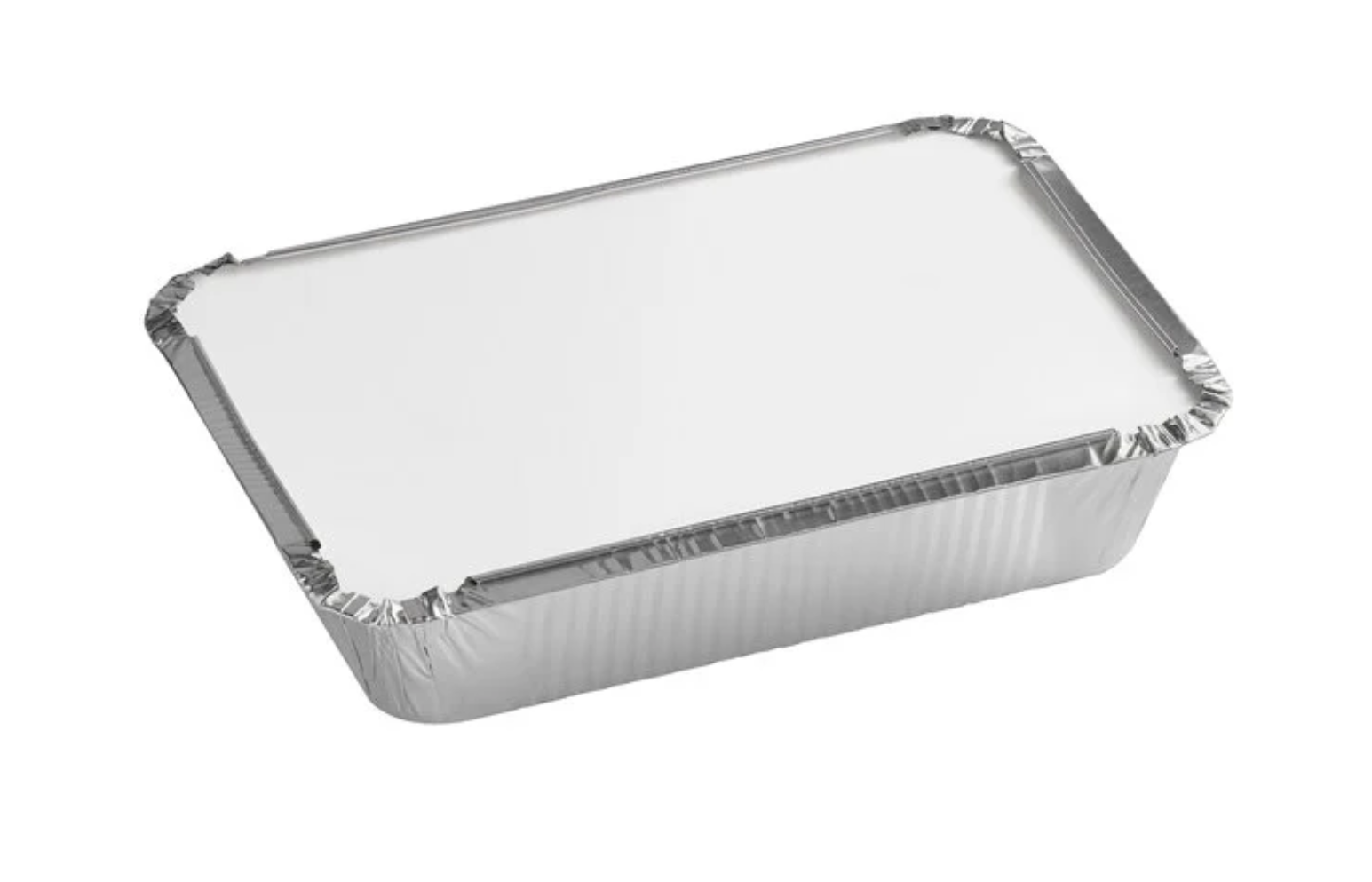
Aluminum Foil with Paper Lids
Aluminum foil containers with paper lids are sturdy, offer great heat retention, and are resistant to grease which ensures that hot, saucy dishes stay secure and warm during transit. They are also recyclable across the Richmond region if kept free of heavy food residue.
Uses: Barbecue, casseroles, nachos & loaded fries, rice dishes, and oven-ready takeout.
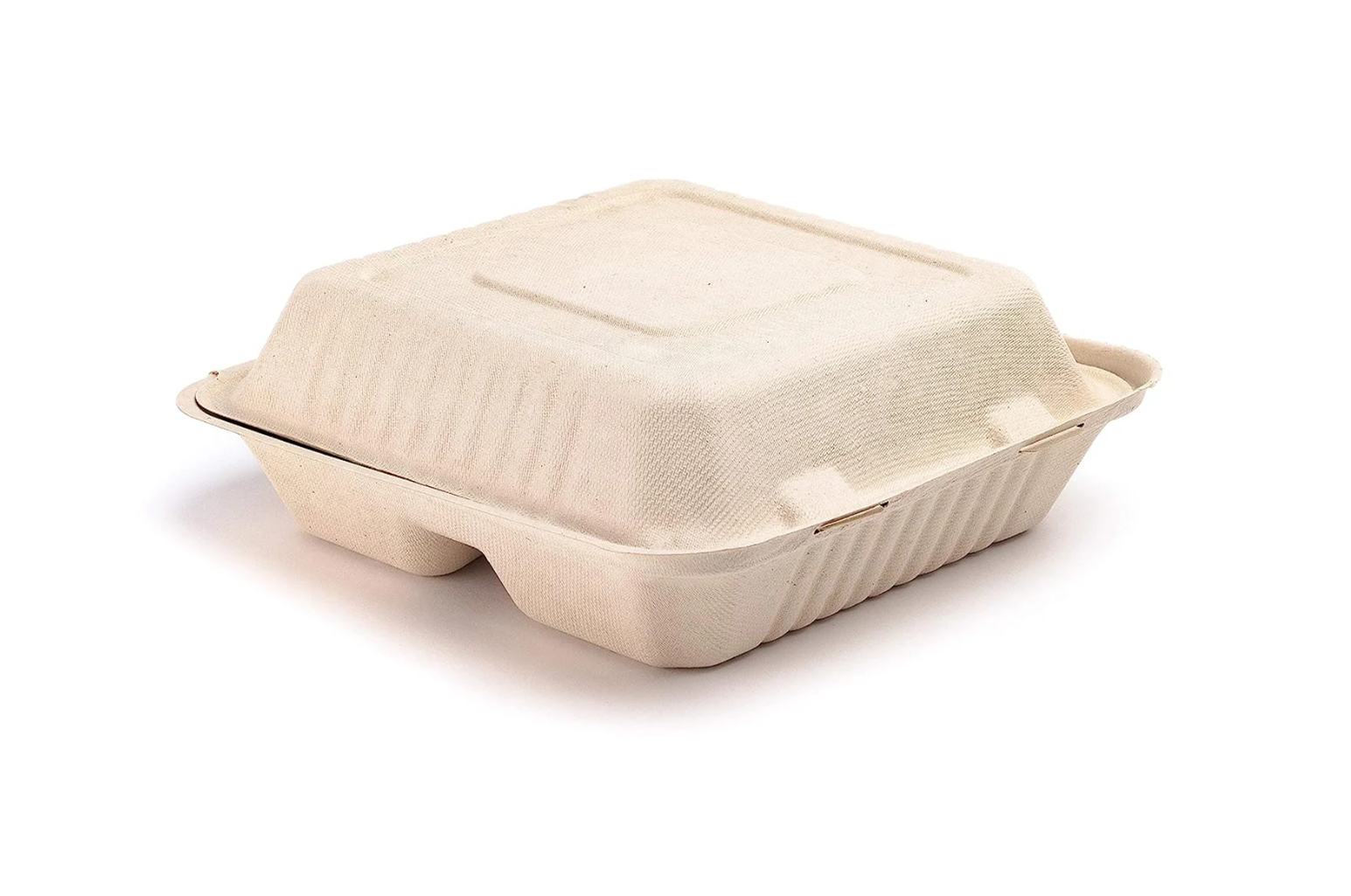
Plant-Based Containers
Plant-based options are made from sugarcane (aka “bagasse”), wheat straw, and cornstarch and are designed to hold hot, greasy, and saucy foods without leaching toxins. These containers are made from renewable byproducts of other industries and are biodegradable in industrial facilities.
Uses: Wings, fries, sandwiches, grain bowls, salads, and pastas
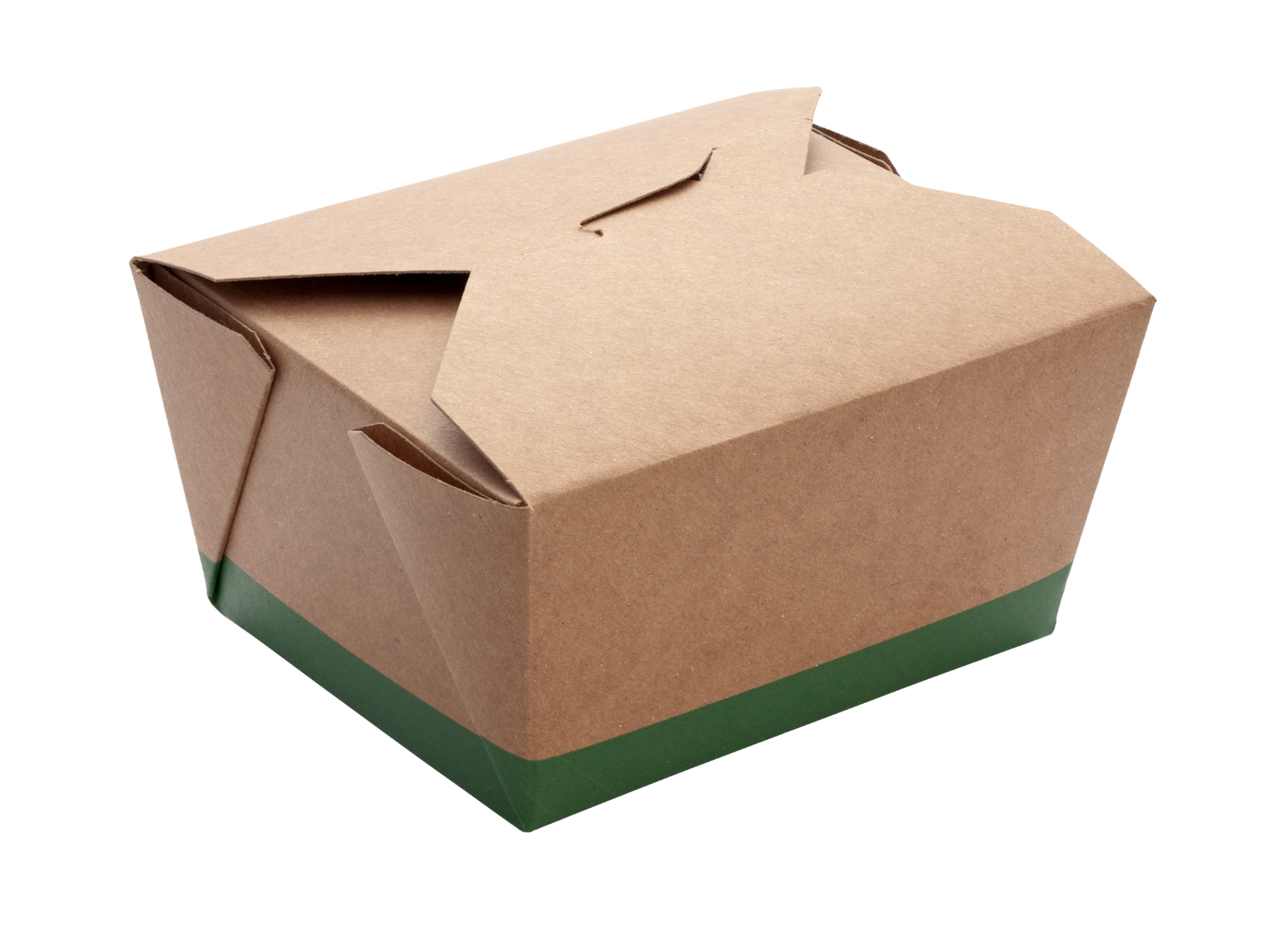
Paper and Cardboard (aka “Paperboard”)
Paper and cardboard are sturdy, light, and available in recyclable and compostable options. This option handles temps up to 180°F and resists grease and moisture thanks to a thin PLA (a plant-based plastic) coating.
Uses: Burgers and sandwiches, grain bowls, salads, beverages and soups, and sides.
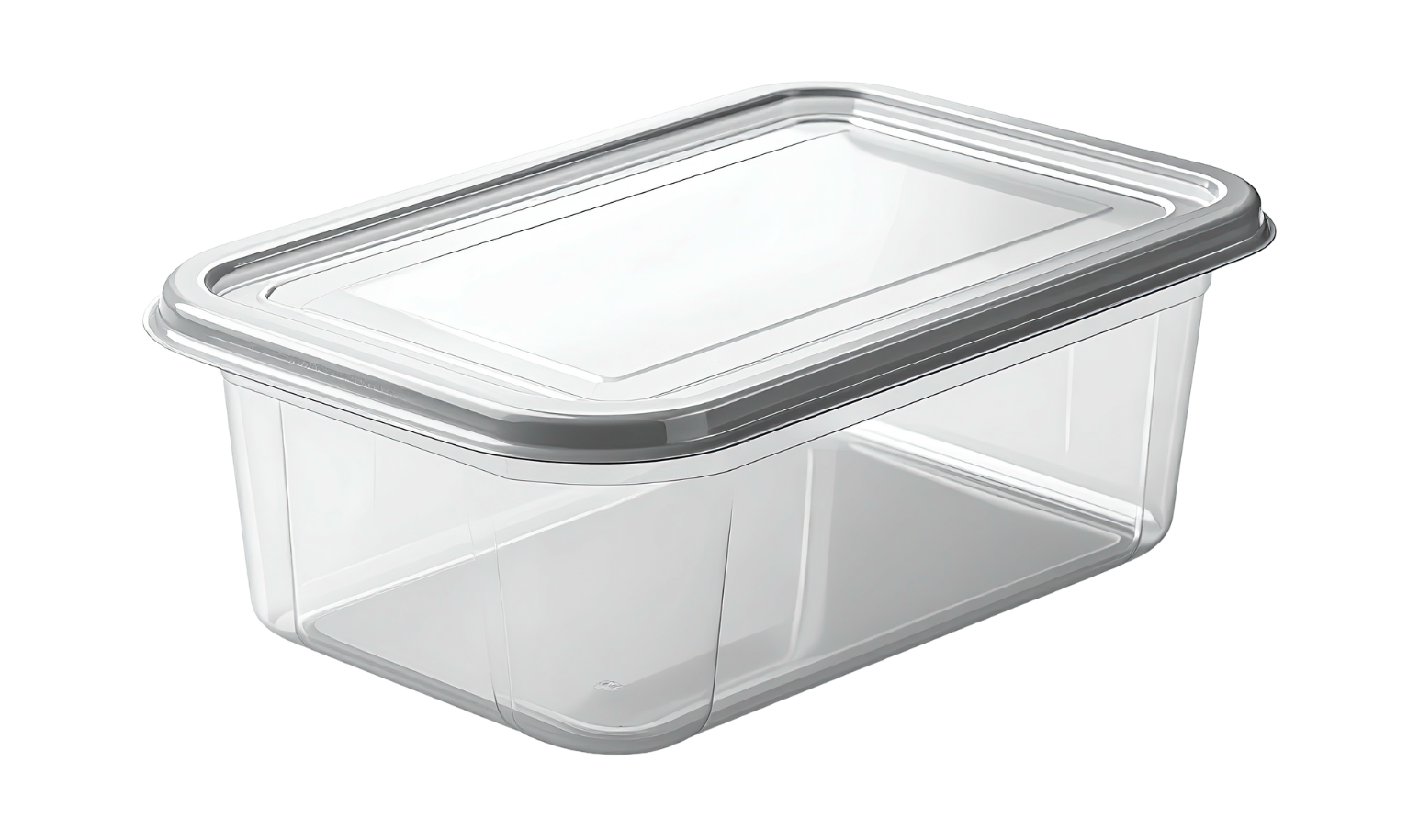
Reusable Containers / BYOB (Bring Your Own Box)
While not suitable for all food establishments, reusable containers are the cheapest and most sustainable option long-term. Durable containers can be used repeatedly and hold up to hot and cold dishes and can encourage repeat customers.
Uses: Soups and stews, grain bowls and salads, sandwiches and burgers
Looking for More Resources?
An extensive Reference Guide of alternative materials to Styrofoam was published by New York State's Department of Environmental Conservation. 👉 Read that guide here.
Why Go Foam Free?
Transitioning away from foam is a vital step toward protecting both Richmond's ecosystem and the health of our community. Foam litters our streets, parks, and the James River. It breaks down into microplastics, releasing toxic chemicals, and endangering Richmond residents. By replacing these brittle containers with sustainable alternatives, we safeguard our local wildlife, preserve our scenic waterways, and ensure a cleaner, healthier environment for every Richmonder.
Public Health
According to the Virginia Department of Environmental Quality, Styrofoam is primarily made from styrene, a chemical linked to cancer and nervous system damage. Hot, oily, or acidic foods increase the likelihood of these chemicals leaching into your food. When foam burns it releases a other dangerous fumes that can cause respiratory and neurological effects.
Environmental Impact
Foam containers frequently litters waterways and roadsides and are often mistaken by animal for food. Foam never biodegrades and less than 1% is currently being recycled. Once foam gets into natural areas, it breaks down into smaller and smaller pieces, making cleanup difficult and posing a risk to public health.