Virginia Friendly Landscaping
Landscaping with native plants isn't a passing fad; it’s a climate-smart investment for homeowners and businesses that want to support biodiversity, reduce maintenance costs, conserve water, and reduce GHG emissions. Whether you are transforming your home’s front yard, refreshing a storefront entryway, or landscaping a corporate campus, Virginia Friendly Landscaping with native plants offers ecological and financial advantages for our shared urban environment.
Why Choose Native Plants?
Cost-Efficient & Low-Maintenance: Because native plants evolved to thrive in Richmond’s specific clay soils and weather patterns, they require significantly less watering, fertilizer, and pest management once established. For business owners and residents alike, this translates directly into lower water bills, reduced maintenance costs, and lower GHG emissions from gas-powered tools.
Built-In Climate Resilience: Deep-rooted native grasses and perennials act like natural sponges. They absorb heavy rainfall, reducing neighborhood stormwater runoff and protecting the James River watershed, while providing natural urban cooling during our hot Virginia summers.
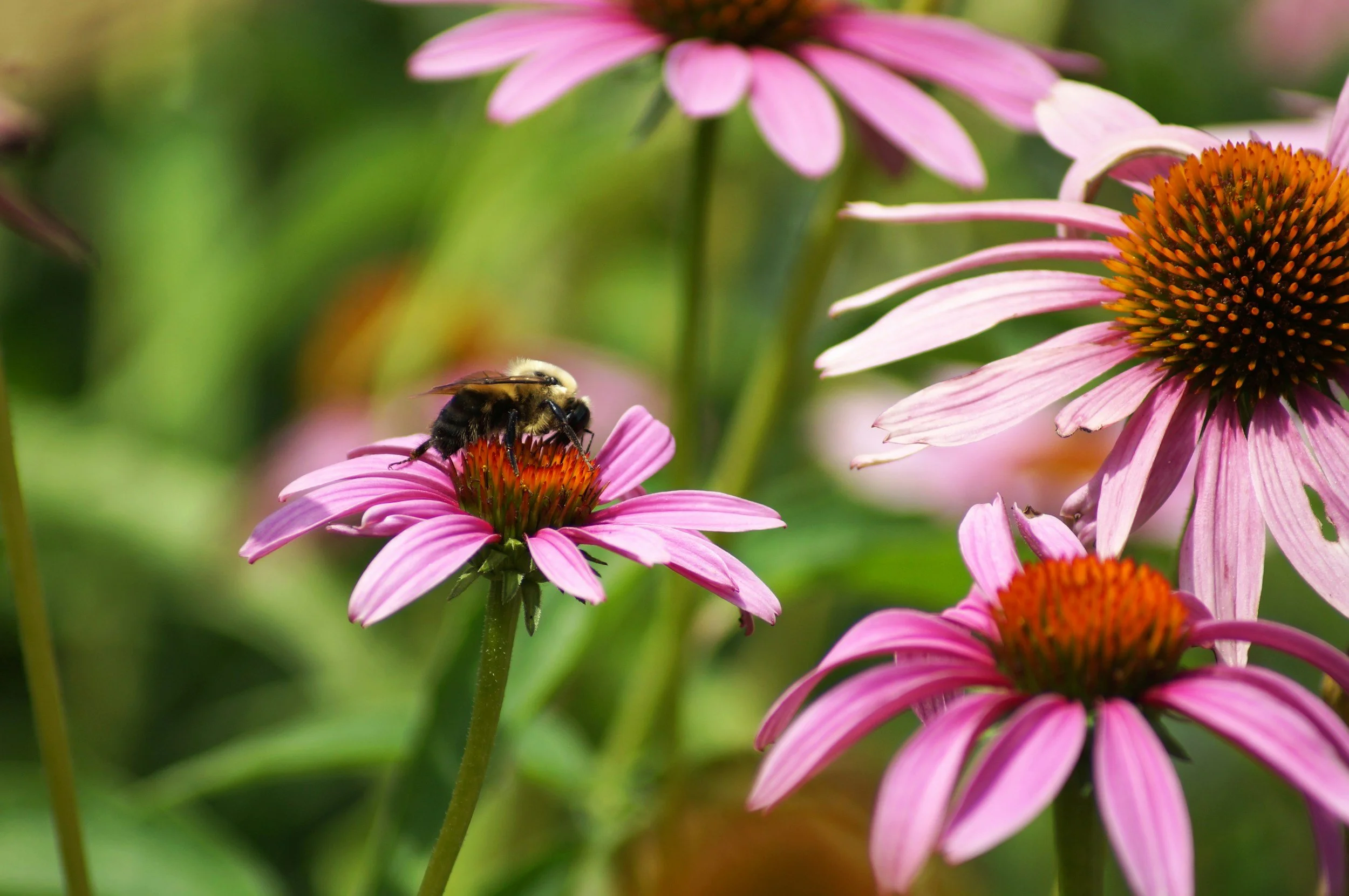
A Lifeline for Local Wildlife: From the iconic Eastern Tiger Swallowtail to native songbirds, our local pollinators rely on native flora for food and shelter. Planting native directly restores fragmented habitats within city limits.
Distinct Regional Beauty: Native landscapes offer a vibrant, four-season display of colors, textures, and blooms giving your property a unique sense of place that honors Richmond's natural heritage.
Why Does Richmond Promote Native Plants?
Several of the City’s key plans and resolutions, including Richmond 300, RVAgreen 2050, the Richmond Sustainable Design Standards, and the 2024 Bee City USA resolution, call for increasing biodiversity, restoring natural habitats, and expanding the adoption of native plants on both public and private lands throughout Richmond.
Learn more about how you can transform your yard into a Virginia Friendly Landscape with the links below …
Learn more about native plants:
Let’s Get Into the Weeds
On September 14th, 2026 Richmond City Council adopted ORD. 2026-113 which amended City code in 4 important ways:
Defines “Native Plants” as any indigenous plant, including any grass, wildflower, forb, fern, shrub or tree, which evolved to occur naturally in and is well-adapted to local ecosystems, comprised of local soils, climate, wildlife, and growing conditions of the Mid-Atlantic region.
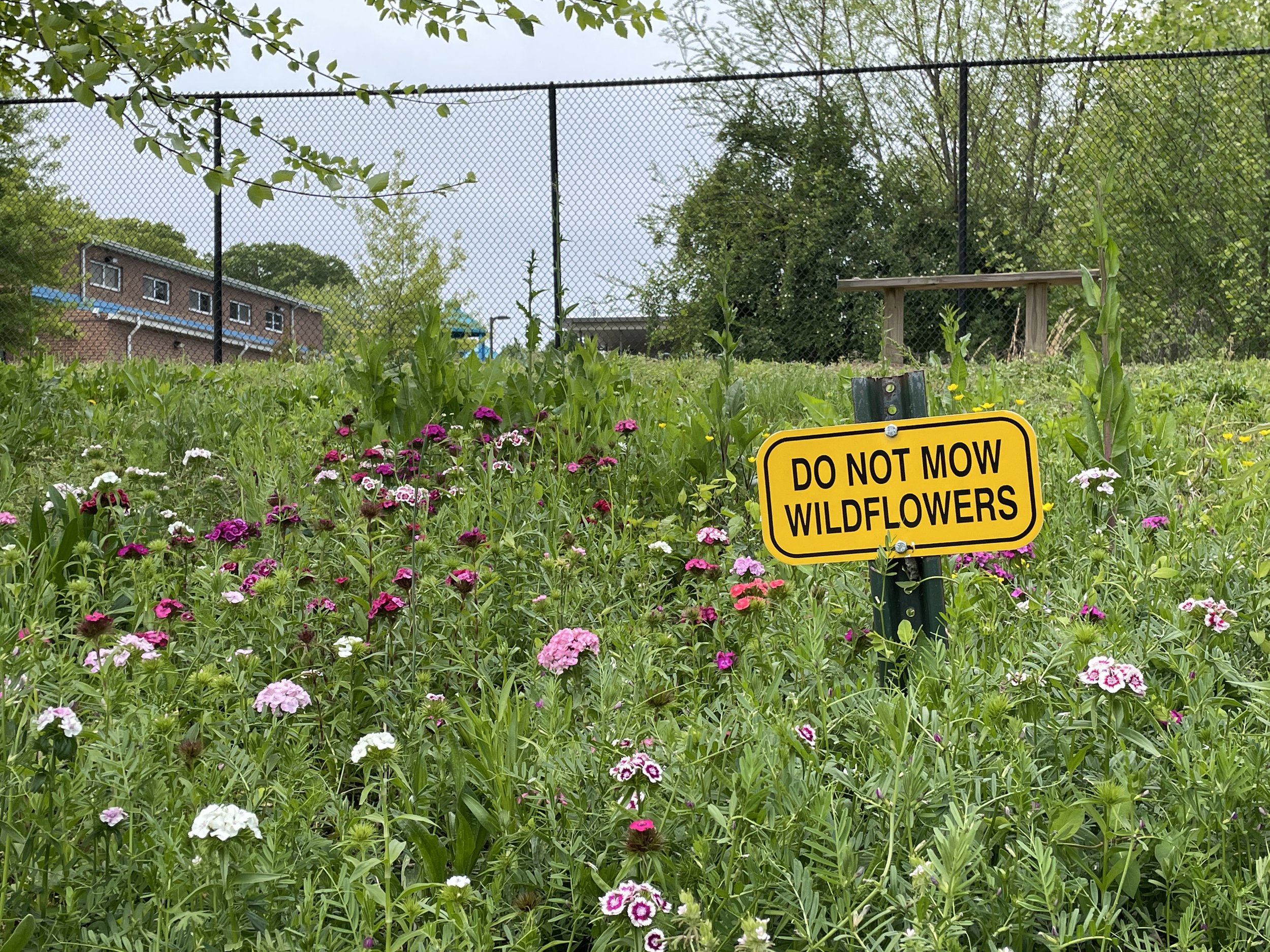
Adds native plants to the list of plants exempted from 12” lawn height restriction on private property, public right-of-way, or grass strip.
Allows fallen woody debris to be retained as habitat provided the material is located and maintained in a way that keeps it out of direct contact with structures, fences, or adjacent properties and the presence of the material does not present a risk to public health or safety.
Outlines four indicators of intentional stewardship, also known as “cues-to-care” practices, to ensure compliance with the height restriction exemption. Learn more here 👈
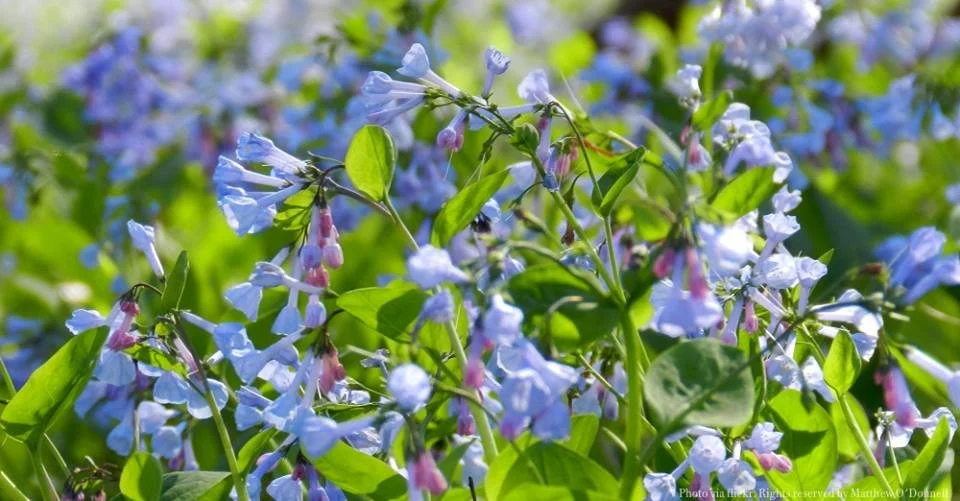
“Native Plants” refer to any indigenous plant, including grasses, wildflowers, forbs, ferns, shrubs, and trees, which occurs naturally in and are well-adapted to local soils, climate, wildlife, and growing conditions of the Mid-Atlantic region.
A plant is native if it has occurred naturally for thousands of years in a region, ecosystem, or habitat without human introduction. Natives have formed symbiotic relationships with native wildlife over thousands of years, meaning that many native animals are dependent on these particular species to survive.
Benefits of Native Plants:
Increases habitat & supports biodiversity
Mitigates heat & flooding in vulnerable neighborhoods
Drought tolerance reduces need for irrigation
Reduced maintenance needs and fuel costs
Reduced noise pollution and GHG emissions)
What is a native plant?
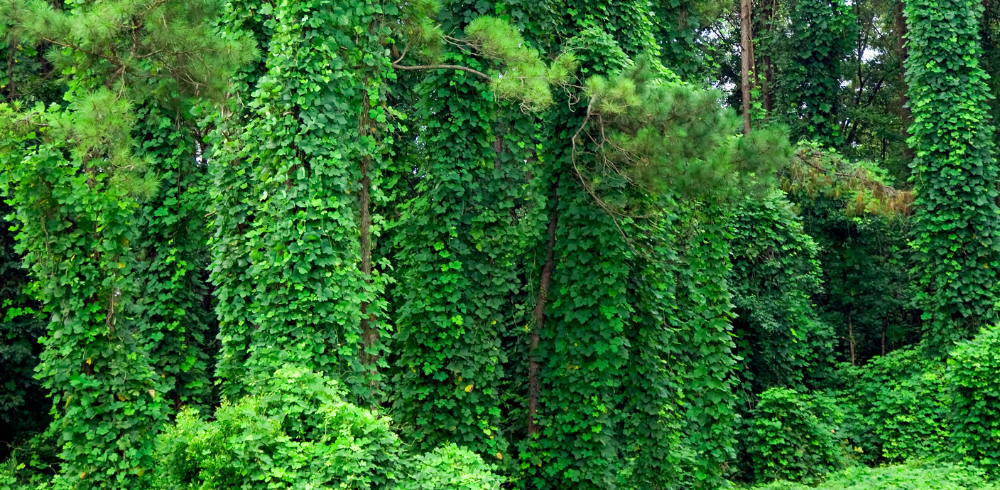
What is an invasive plant?
“Invasive Plants” refers to a plant that reproduces outside its native range and outside cultivation that disrupts naturally occurring Native Plant communities by altering soil structure, composition, natural processes, or habitat quality.
A plant is invasive if it causes, or is likely to cause, environmental harm by outcompeting the region's indigenous flora, particularly in sensitive ecosystems like the James River Park System. Invasives often do not support local fauna, spread aggressively, and can damage native species, infrastructure, and historical sites.
Drawbacks of Invasive Plants:
Loss of biodiversity
Increased stormwater runoff & erosion
Infrastructure & structural damage
Labor intensive to remove and remediate
Fewer ecosystem services for local fauna
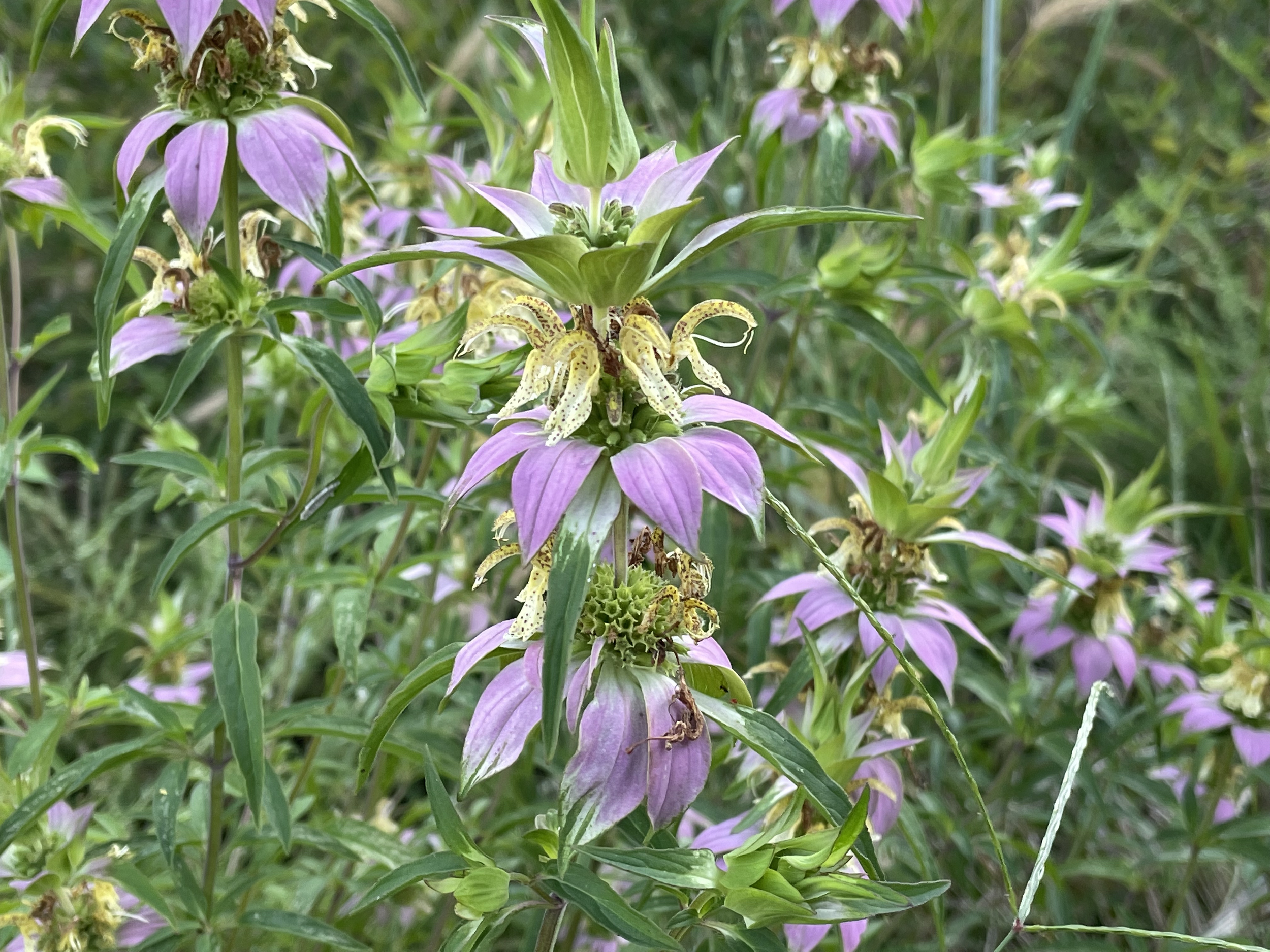
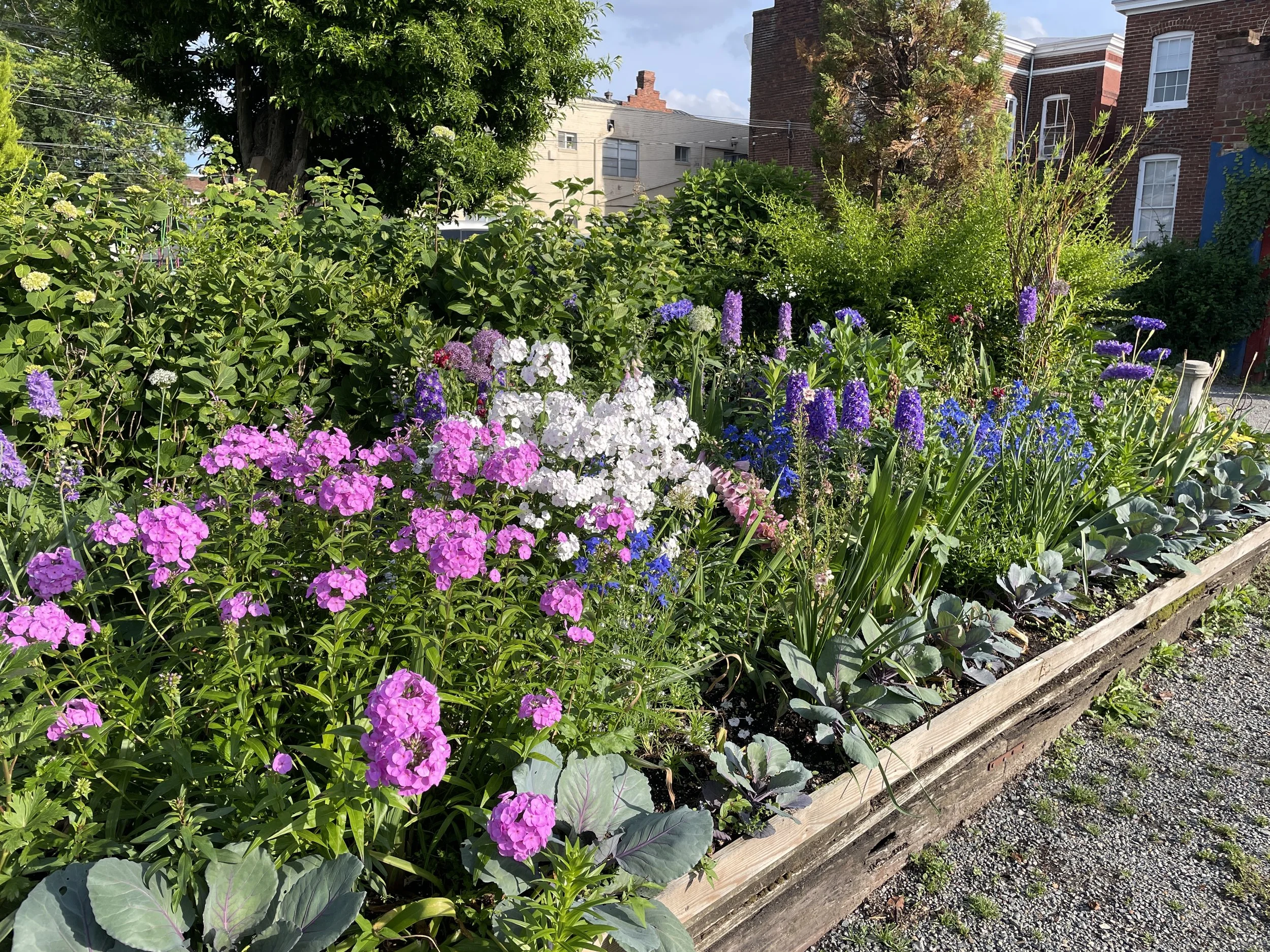
Pollinator Gardens
Any native garden designed with nectar- and pollen-producing flowers, shelter or shelter-providing plants, and zero use of pesticides, with the intent of attracting pollinators.
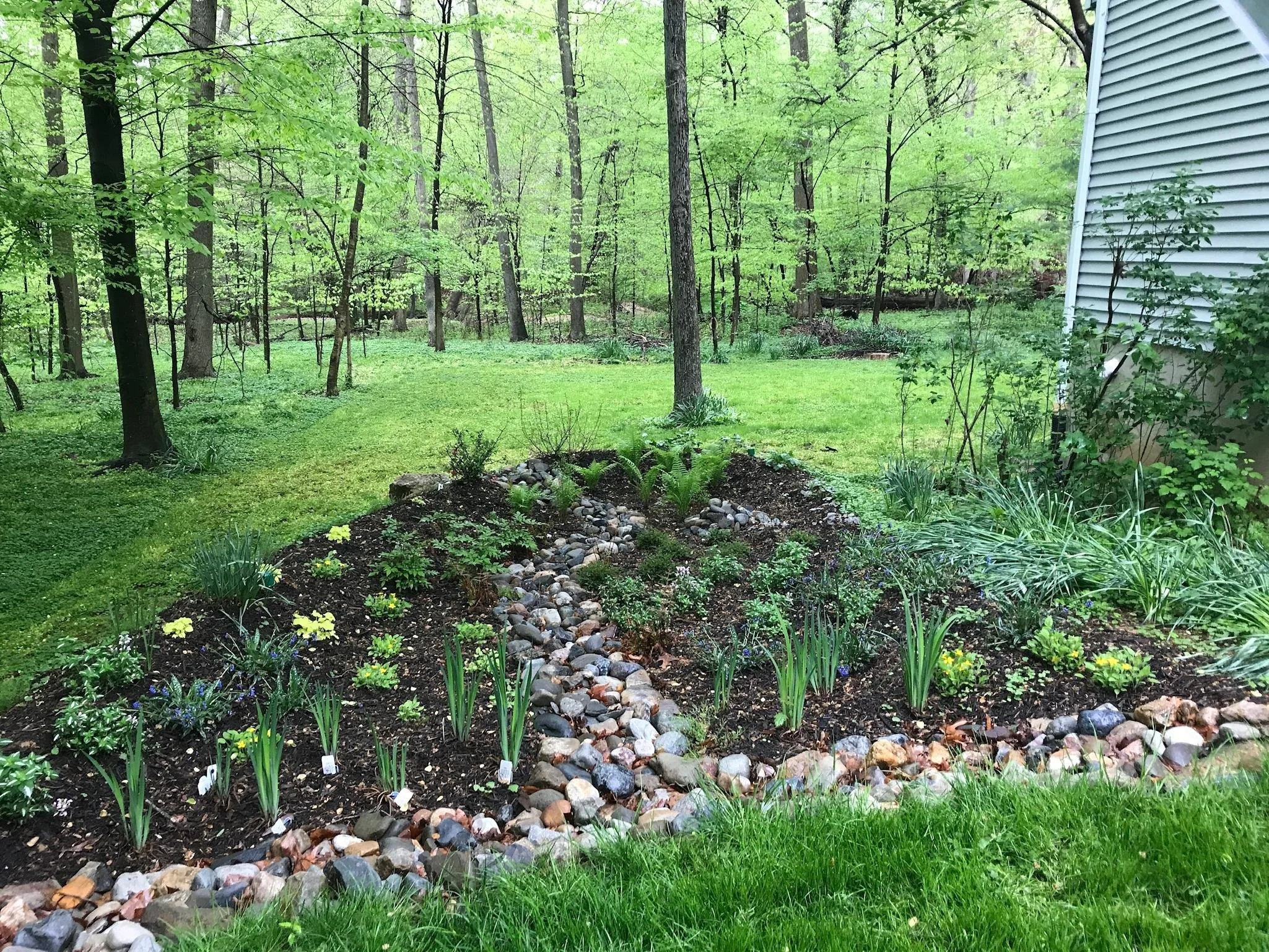
Rain Gardens
Any native garden that is designed to reduce the amount of storm water runoff and accompanying pollutants from entering local streams, rivers, and lakes.
Wildflower Meadows
An open habitat or field, vegetated by grasses, herbs, wildflowers, and other non-woody plants which provide animals and pollinators with food sources, nesting, mating, and sheltering spaces, and requiring minimal human intervention.
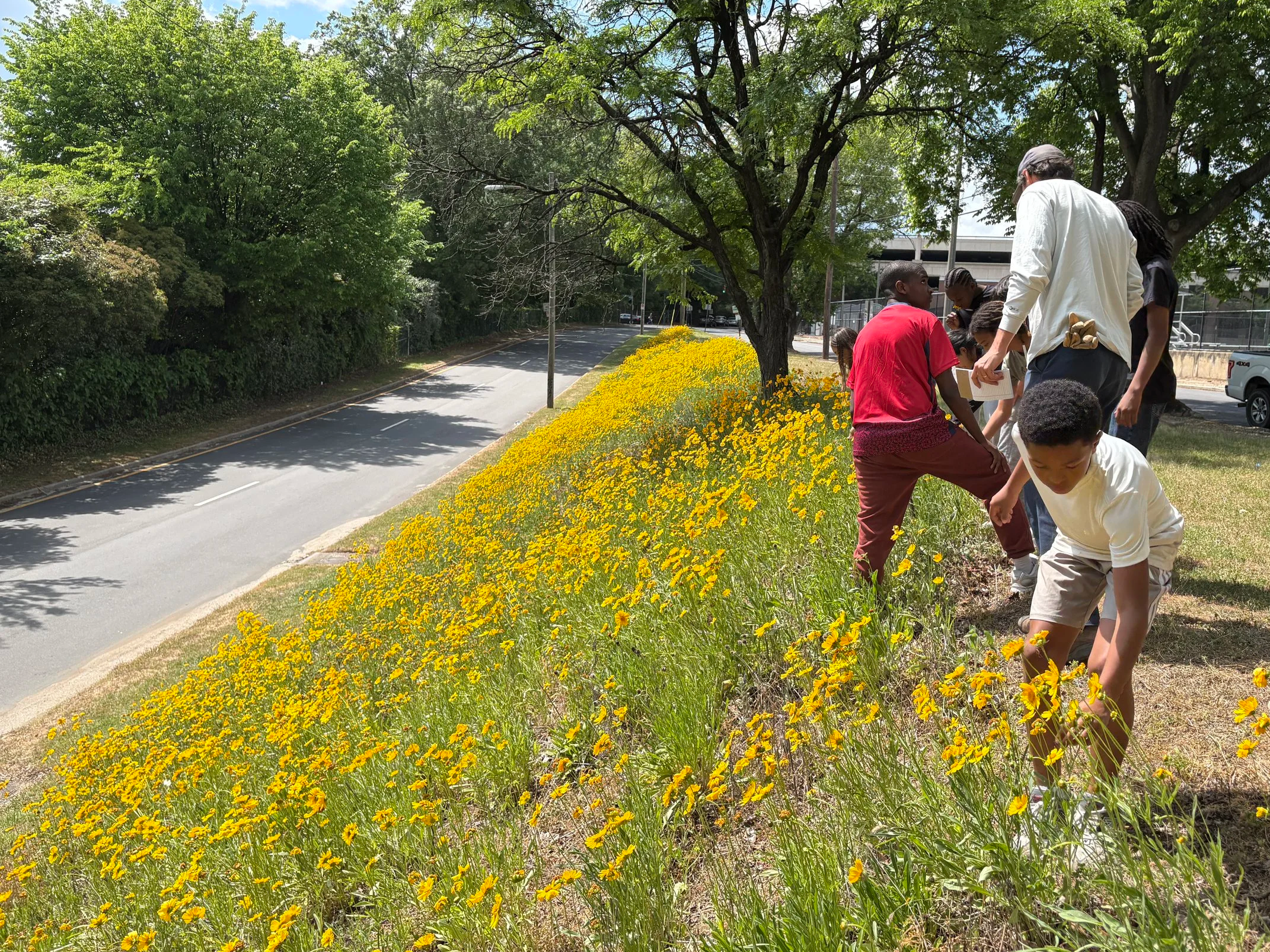
How to Create a Virginia Friendly Landscape
Any a person who owns or occupies property within the City of Richmond may establish a Virginia Friendly Landscape. Make sure to follow the 3 Steps for a Virginia Friendly Landscape and include the Cues-to-Care below.
3 Steps to a Virginia Friendly Landscape
Step 1: Plan Learn about habitat essentials and native plants as you design your garden.
Step 2: Plant Choose a local nursery or plant store to purchase plants, mulch, and other supplies.
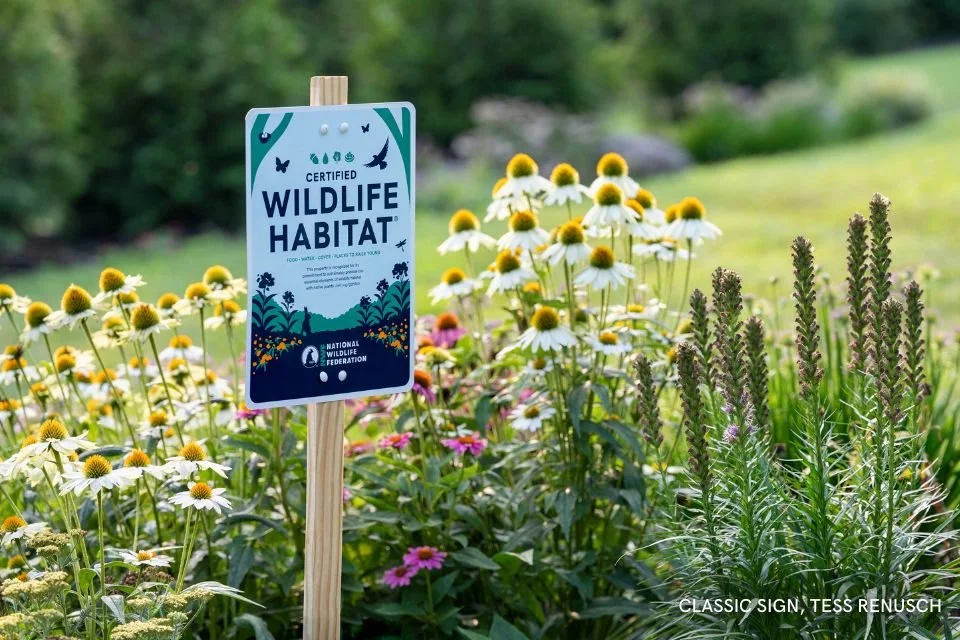
Step 3: Promote Add signage to promote your native landscape.
Cues-to-Care
When designing Virginia Friendly Landscapes, we encourage you to integrate indicators of intentional stewardship. This helps to communicate to your neighborhoods and Code Enforcement that your landscape is intentional and cared for.
Defined borders: mowed turf grass paths, manicured edges, or physical borders such as fencing or hardscaped edges that frame the planted space.
Plant arrangement: plants arranged to reflect deliberate design such as massed plant groupings, vertical layering, or clean spatial separation between planting zones.
Informational signage: signage visible from the public right-of-way identifying the landscape as an intentional planting.
Regular maintenance: management of planted area such as seasonal cleanup, removal of invasive species, or mulching.
Helpful Resources for Starting Your Garden
Visit Lewis Ginter’s Morton Native Plant Garden, attend horticultural workshops, and learn about their seed library.
Virginia Master Gardeners are trained volunteer educators, operating under the Virginia Cooperative Extension, who share research-based horticultural knowledge to promote environmentally sound gardening and sustainable landscaping.
Local Ecotype Richmond Natives (LERN)
LERN is a local non-profit that provides education and sells native plants they have propagated from locally collected seeds.
The Bee City Committee works to galvanize communities to sustain pollinators by increasing the abundance of native plants, providing nesting sites, and reducing the use of pesticides.
The Virginia Native Plant Society
VNPS promotes native plants found in Virginia with educational talks, field trips and in depth articles on individual plants.
Virginia Master Naturalists are volunteer educators, citizen scientists, and stewards helping Virginia conserve and manage natural resources and public lands.
The Richmond chapter of the National Audubon Society promotes the enjoyment, understanding and preservation of birds, other wildlife and habitat. Their Bird-Friendly Habitat Certification Program (BFHC) promotes native landscaping.
Local Organizations
Virginia Friendly Landscapes - Resource Library
Flora of Virginia App: The digital version of the state's most comprehensive botanical reference—a must-have for the Code Enforcement team.
Digital Atlas of the Virginia Flora: Use this to verify if a specific plant is historically native to the City of Richmond or Henrico/Chesterfield counties.
DCR Native Plant Finder: A searchable database from the VA Department of Conservation and Recreation.
Audubon Native Plant Database: Enter a Richmond zip code to get a list of plants that specifically support local bird populations.
Helpful Guides
Lady Bird Johnson WildLife Center - Common and species name, plant characteristics, growing conditions, benefits, and images.
North Carolina State Plant Toolbox
A good resource for plant identification and a wealth of other information. Use The Digital Atlas of Virginia Flora to determine native status.
Detailed information about native plants for those who want to take a deep dive into the subject.
Where Can You Find Native Plants for Sale?
Richmond residents can find native plants at specialized local nurseries, dedicated sections within regional garden centers, and some big-box home improvement stores.
Additionally, seasonal plant sales are hosted by local conservation non-profits and "seed libraries" at public library branches offer excellent opportunities to source habitat-ready flora for your yard.
DISCLAIMER: This website does not endorse a particular vendor. Do you know of other local stores that sell native plants?
Let us know by emailing rvagreen@rva.gov.
Recommended Reading List
Native Landscape Design and Lawn Conversion
Lawns into Meadows: Growing a Regenerative Landscape- Owen Wormser
Chesapeake Gardening and Landscaping: The Essential Green Guide - Barbara W. Ellis
Nature's Best Hope: A New Approach to Conservation That Starts in Your Yard- Doug Tallamy
The Living Landscape: Designing for Beauty and Biodiversity in the Home Garden - Rick Darke and Doug Tallamy
Concrete Botany: The Ecology of Plants in the Age of Human Disturbance - Joey Santore
From Wasteland to Wonder: Easy Ways We Can Help Heal Earth in the Sub/Urban Landscape - Basil Camu
Regional Plant Selection & Inspiration
Native Plants of the Southeast by Larry Mellichamp
The Southeast Native Plant Primer by Larry Mellichamp and Paula Gross
Planting in a Post-Wild World by Thomas Rainer and Claudia West
Pollinators of Native Plants by Heather Holm
Gardening with Grasses by Piet Oudolf and Michael King
Recommended Video Library
Native Landscaping
Native Pollinators of the Mid-Atlantic- Smithsonian Gardens
Keystone Species of Native Plants - Master Gardeners of Northern Virginia
Building Pollinator Habitat in Towns and Cities: Northeast / Mid-Atlantic Region - The Xerces Society
Native Keystone Plants for Wildlife - National Wildlife Federation
Lawn & Turf Grass Conversion
How To Convert Your Lawn Into Native Plant Communities - VPM
Getting Rid of More Lawn: Adding Pollinator-Friendly Flowers – Garden Moxie
Virtual Program: Learn How to Convert Your Lawn to a Native Plant Garden – A deep-dive educational presentation on the process of converting yards.
We Ripped Out Our Front Lawn and Planted a Pollinator Garden – A video tour and FAQ addressing common homeowner concerns during conversion.
How to Kill Your Lawn Without Chemicals – Critical for the "Virginia-Friendly" goal of reducing chemical runoff.
Rain Gardens
What Is A Bioswale For Stormwater Management? – An introductory guide explaining the mechanics of bioswales.
Rain Gardens vs. Bioswales: What’s the Difference? – Useful for the webpage to help residents choose the right solution for their yard.
Bioswales: Landscapes for Stormwater Management – A quick visual overview of the role bioswales play in sustainable urban planning.
How To On Stormwater Management – Case study showing how corporate and municipal landscapes can be revamped for drainage.
How to Build a Native Plant Rain Garden: Step-by-Step – A comprehensive tutorial from Nature Forward on managing residential runoff.
Swale & Rain Garden How-To – Clear instructional video on using swales to move and absorb water naturally.
Building a Berm and Swale System – Technical guidance for redirected water flow in residential yards.
Managing Water in Your Landscape – Overview of "slowing, spreading, and sinking" water to prevent neighborhood flooding.
Planting for Wet Areas – Specific native plant recommendations for the bottom of bioswales and rain gardens.